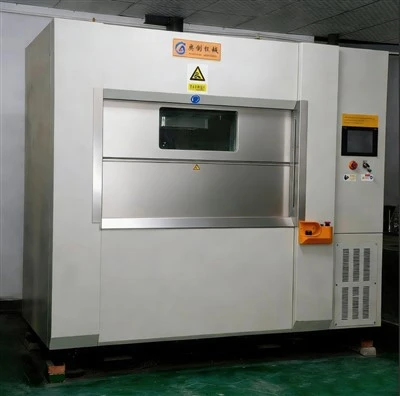
Hey there! As a supplier of Non Standard Welding Molds, I often get asked about the heat - treatment requirements for these specialized molds. So, let's dive right into it.
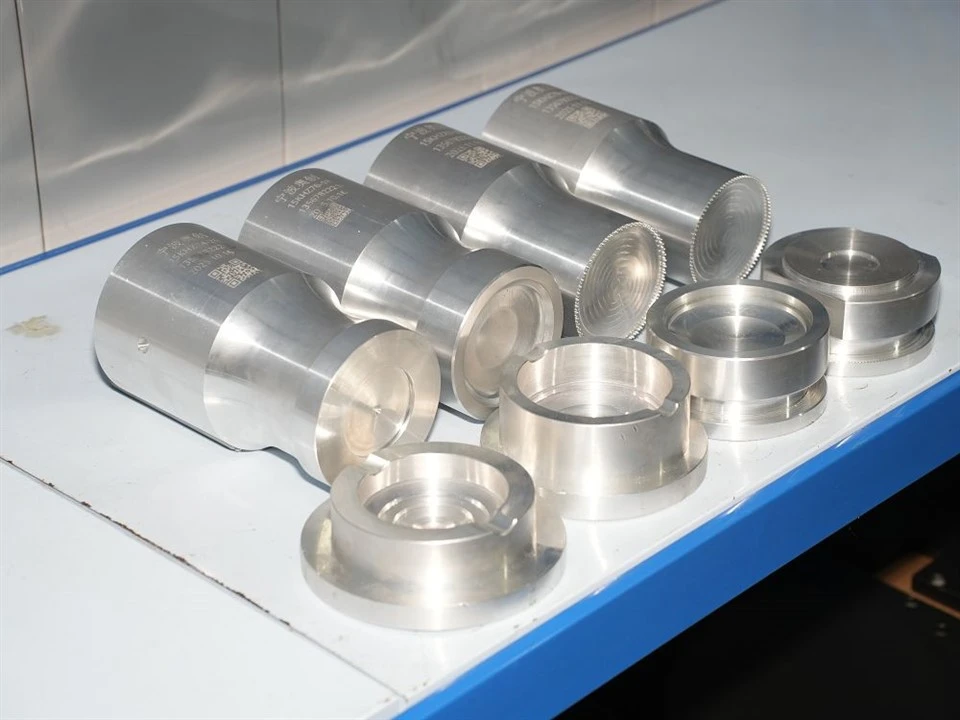
First off, what are non - standard welding molds? Well, unlike standard molds that are mass - produced for common applications, non - standard welding molds are custom - made to meet specific requirements. They're designed for unique welding tasks and can be found in various industries such as automotive, electronics, and medical device manufacturing. You can check out more about Non Standard Welding Molds on our website.
Heat treatment is a crucial process for non - standard welding molds. It helps to enhance the mechanical properties of the mold, such as hardness, toughness, and wear resistance. This is super important because welding molds are subjected to high temperatures, pressures, and mechanical stresses during the welding process.
The Basics of Heat Treatment
There are several heat - treatment processes that can be applied to non - standard welding molds. The most common ones include annealing, quenching, and tempering.
Annealing
Annealing is a process where the mold is heated to a specific temperature and then slowly cooled. This helps to relieve internal stresses that may have been introduced during the manufacturing process, such as machining or forging. It also improves the mold's machinability and ductility. For non - standard welding molds, annealing can be done at different temperatures depending on the material of the mold. For example, if the mold is made of tool steel, the annealing temperature might range from 700°C to 800°C.
Quenching
Quenching is a rapid cooling process. After heating the mold to a certain temperature, it is quickly cooled in a quenching medium, such as oil or water. This process hardens the mold by transforming its microstructure. However, quenching can also introduce internal stresses, which is why it's often followed by tempering.
Tempering
Tempering is done after quenching to reduce the brittleness caused by the rapid cooling. The mold is heated to a lower temperature than the quenching temperature and then cooled slowly. This helps to improve the mold's toughness while maintaining its hardness. For non - standard welding molds, tempering can be adjusted according to the specific requirements of the application. If the mold needs to withstand high - impact loads, a higher tempering temperature might be used to increase its toughness.
Heat - Treatment Requirements for Different Materials
The heat - treatment requirements for non - standard welding molds vary depending on the material used. Here are some common materials and their heat - treatment needs:
Tool Steel
Tool steel is a popular choice for non - standard welding molds due to its high hardness and wear resistance. For tool steel molds, the heat - treatment process usually starts with annealing to relieve stresses. Then, it is quenched in oil or water to harden the steel. After quenching, tempering is carried out at a temperature between 150°C and 650°C, depending on the desired hardness and toughness.
Aluminum Alloys
Aluminum alloys are lightweight and have good thermal conductivity, making them suitable for some welding mold applications. Heat treatment for aluminum alloy molds typically involves solution heat treatment, where the alloy is heated to a high temperature to dissolve the alloying elements. Then, it is quenched to retain the dissolved elements in a supersaturated solid solution. Finally, aging is done at a lower temperature to precipitate the alloying elements and improve the strength of the mold.
Copper Alloys
Copper alloys are known for their excellent electrical and thermal conductivity. Heat treatment for copper alloy molds often includes annealing to relieve stresses and improve ductility. In some cases, precipitation hardening can be used to increase the strength of the alloy.
Importance of Heat Treatment in Welding Molds
The heat - treatment process has a significant impact on the performance and lifespan of non - standard welding molds.
Wear Resistance
Proper heat treatment can increase the hardness of the mold, which in turn improves its wear resistance. This means that the mold can withstand the abrasive forces during the welding process for a longer time, reducing the need for frequent replacements.
Dimensional Stability
Heat treatment helps to relieve internal stresses in the mold, which improves its dimensional stability. This is crucial because any dimensional changes in the mold can affect the quality of the welded parts.
Fatigue Resistance
Welding molds are often subjected to cyclic loading during the welding process. Heat treatment can improve the mold's fatigue resistance, allowing it to withstand repeated stress without cracking or failing.
Other Considerations
When it comes to heat treatment for non - standard welding molds, there are a few other things to keep in mind.
Precision Machining
After heat treatment, the mold may need to be precision - machined to achieve the required dimensions and surface finish. This is because heat treatment can cause some distortion in the mold.
Surface Coating
In some cases, a surface coating can be applied to the mold after heat treatment to further enhance its performance. For example, a hard chrome coating can improve the mold's wear resistance and corrosion resistance.
Conclusion
In conclusion, heat treatment is an essential part of the manufacturing process for non - standard welding molds. It helps to improve the mechanical properties of the mold, such as hardness, toughness, and wear resistance. By understanding the heat - treatment requirements for different materials and following the proper processes, we can ensure that our non - standard welding molds meet the high - quality standards required by our customers.
If you're in the market for Non Standard Welding Molds, Hot Plate Welding Molds, or Ultrasonic Welding Horns, we're here to help. We have a team of experts who can guide you through the selection process and ensure that you get the right mold for your specific application. Don't hesitate to reach out to us for a consultation and let's start a great business relationship!

References
- ASM Handbook Volume 4: Heat Treating
- Tool and Manufacturing Engineers Handbook, Fourth Edition