

As a supplier of Non Standard Welding Molds, I often encounter inquiries about the requirements for the thermal expansion coefficient of these molds. In this blog post, I will delve into the significance of the thermal expansion coefficient in non - standard welding molds, the specific requirements, and how these requirements impact the performance and quality of the molds.
Understanding the Thermal Expansion Coefficient
The thermal expansion coefficient is a measure of how much a material expands or contracts when its temperature changes. It is usually expressed as the fractional change in length or volume per degree change in temperature. For non - standard welding molds, this coefficient plays a crucial role in determining the mold's performance under different temperature conditions.
When a welding mold is heated during the welding process, it will expand. If the thermal expansion coefficient is too high, the mold may expand excessively, leading to dimensional inaccuracies. On the other hand, if the coefficient is too low, the mold may not expand enough, which can cause stress and cracking within the mold structure.
Requirements for the Thermal Expansion Coefficient of Non Standard Welding Molds
Dimensional Stability
One of the primary requirements for the thermal expansion coefficient of non - standard welding molds is dimensional stability. In welding processes, precision is key. Any deviation in the mold's dimensions can result in defective welds or parts that do not fit together properly. A low and consistent thermal expansion coefficient helps to maintain the mold's shape and size during heating and cooling cycles.
For example, in Hot Plate Welding Molds, the mold is heated to a high temperature to melt the plastic parts being welded. If the thermal expansion coefficient is not well - controlled, the mold may expand unevenly, causing the hot plate to warp. This can lead to inconsistent melting of the plastic and poor - quality welds.
Compatibility with Welding Materials
The thermal expansion coefficient of the non - standard welding mold should be compatible with the materials being welded. Different materials have different thermal expansion characteristics. For instance, plastics typically have a higher thermal expansion coefficient compared to metals. When welding plastic parts using a mold, the mold's thermal expansion coefficient should be chosen in such a way that it can accommodate the expansion and contraction of the plastic without causing damage to the mold or the welded parts.
If the mold's thermal expansion coefficient is significantly different from that of the plastic, it can lead to stress at the interface between the mold and the plastic. This stress can cause the plastic to crack or deform during the welding process.
Resistance to Thermal Fatigue
Non - standard welding molds are often subjected to repeated heating and cooling cycles. These cycles can cause thermal fatigue, which is the weakening of the material due to repeated thermal stress. A suitable thermal expansion coefficient can help reduce the risk of thermal fatigue.
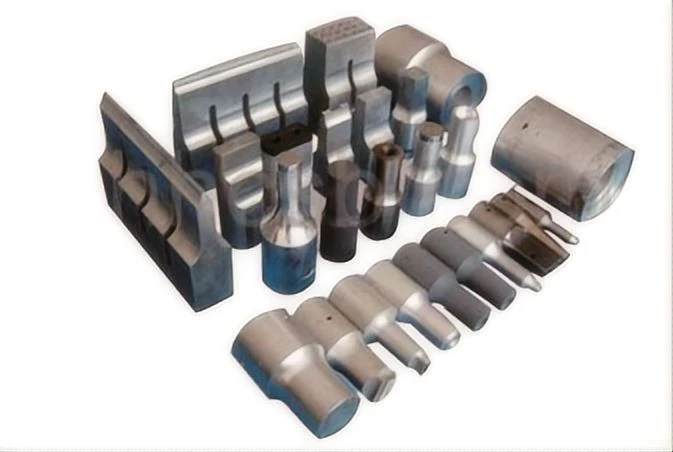
Materials with a well - balanced thermal expansion coefficient are less likely to experience excessive stress during temperature changes. This means that the mold can withstand more cycles of heating and cooling without developing cracks or other forms of damage. For example, in Ultrasonic Welding Horns, which are used in ultrasonic welding processes, the thermal expansion coefficient of the horn material is carefully selected to ensure long - term durability and performance.

Cost - effectiveness
While high - performance materials with ideal thermal expansion coefficients may offer better performance, they can also be more expensive. As a supplier of Non Standard Welding Molds, we need to balance the requirements for thermal expansion coefficient with cost - effectiveness.
We often work with customers to find the right material that meets their performance needs while keeping the cost within an acceptable range. This may involve using materials that have a slightly higher thermal expansion coefficient but are more affordable, as long as they can still provide the necessary dimensional stability and compatibility with the welding materials.
Impact of Thermal Expansion Coefficient on Welding Mold Performance
Weld Quality
The thermal expansion coefficient of the welding mold directly affects the quality of the welds. If the mold expands or contracts too much during the welding process, it can cause the parts being welded to move or shift. This can result in uneven welds, poor adhesion, and even complete weld failure.
For example, in a vibration welding process, the mold needs to maintain its shape and size accurately to ensure that the parts are properly aligned during the welding. A mold with an inappropriate thermal expansion coefficient can disrupt this alignment, leading to sub - standard welds.
Mold Lifespan
The thermal expansion coefficient also impacts the lifespan of the non - standard welding mold. Excessive thermal expansion and contraction can cause stress and fatigue within the mold material, leading to premature wear and tear. By choosing a material with a suitable thermal expansion coefficient, we can extend the mold's lifespan and reduce the frequency of mold replacements.
Production Efficiency
A welding mold with the right thermal expansion coefficient can improve production efficiency. When the mold maintains its dimensional stability, there is less need for frequent adjustments and re - calibration during the welding process. This can reduce downtime and increase the overall productivity of the welding operation.
Conclusion
In conclusion, the requirements for the thermal expansion coefficient of non - standard welding molds are multi - faceted. Dimensional stability, compatibility with welding materials, resistance to thermal fatigue, and cost - effectiveness are all important factors to consider. As a supplier of Non Standard Welding Molds, we understand the critical role that the thermal expansion coefficient plays in the performance and quality of our products.
If you are in the market for non - standard welding molds and have specific requirements regarding the thermal expansion coefficient, we would be more than happy to discuss your needs. Our team of experts can help you select the right materials and design the most suitable molds for your welding applications. Contact us to start a procurement discussion and find the perfect solution for your welding needs.
References
- Smith, J. (2018). "Materials Science for Welding Applications". Elsevier.
- Johnson, R. (2019). "Thermal Properties of Engineering Materials". Wiley.
- Brown, A. (2020). "Advanced Welding Technologies and Mold Design". Springer.


