

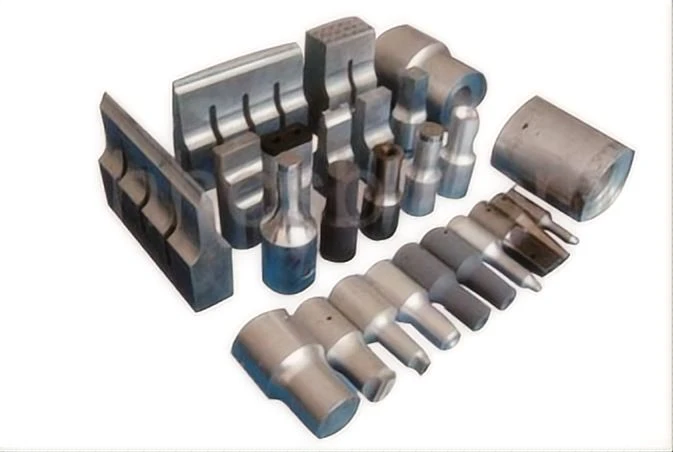
When it comes to using non standard welding molds, safety should always be the top priority. As a supplier of Non Standard Welding Molds, I understand the importance of ensuring that our customers are well - informed about the safety precautions when handling these specialized tools.
1. Pre - operation Safety Checks
Before using non standard welding molds, a thorough pre - operation inspection is essential. First, visually examine the mold for any signs of damage, such as cracks, chips, or excessive wear. Even a small crack can compromise the integrity of the mold during the welding process, leading to potential safety hazards and poor welding quality. Check the connections of the mold to the welding equipment. Loose connections can cause electrical arcing, which not only poses a fire risk but can also damage the equipment and the mold itself.
Verify that the cooling system, if applicable, is functioning properly. Many non standard welding molds require a cooling mechanism to prevent overheating. A malfunctioning cooling system can lead to the mold reaching extremely high temperatures, which may cause deformation of the mold and even pose a burn risk to the operator.
2. Personal Protective Equipment (PPE)
Wearing appropriate personal protective equipment is non - negotiable when using non standard welding molds. The operator should wear a welding helmet with a proper shade of lens to protect the eyes from the intense light and heat generated during the welding process. Welding goggles can also be worn in addition to the helmet for extra protection, especially when performing tasks that require a more detailed view.
Flame - resistant clothing is another crucial piece of PPE. Welding sparks can fly in all directions, and regular clothing can easily catch fire. Flame - resistant jackets, pants, and aprons provide a layer of protection against these sparks. Gloves made of heat - resistant material are necessary to protect the hands from burns and cuts. The gloves should fit properly to ensure dexterity while handling the mold and the welding equipment.
3. Electrical Safety
Non standard welding molds often rely on electrical power to operate. Therefore, electrical safety is of utmost importance. Ensure that the welding equipment and the mold are properly grounded. A proper ground connection helps to prevent electrical shocks in case of a short circuit. Check the power cords for any signs of damage, such as fraying or exposed wires. Damaged cords should be replaced immediately to avoid electrical hazards.
Do not overload the electrical circuits. Each welding machine has a specific power rating, and exceeding this rating can cause overheating of the electrical components, leading to a fire. It is also important to use the correct voltage and amperage settings as specified by the manufacturer of the welding mold and the equipment.
4. Ventilation
Welding processes produce fumes and gases that can be harmful to the operator's health. Adequate ventilation is necessary to remove these contaminants from the work area. Install local exhaust ventilation systems near the welding station to capture the fumes at the source. These systems can significantly reduce the concentration of harmful substances in the air.
If local exhaust ventilation is not available, ensure that the work area is well - ventilated with natural or mechanical ventilation. Open windows and doors to allow fresh air to circulate. However, in some cases, natural ventilation may not be sufficient, especially when dealing with high - volume welding operations.
5. Handling and Storage
Proper handling of non standard welding molds is crucial to prevent damage and ensure safety. When moving the mold, use appropriate lifting equipment, such as cranes or hoists, if the mold is heavy. Avoid dropping or banging the mold, as this can cause internal damage that may not be immediately visible.
During storage, keep the molds in a dry and clean environment. Moisture can cause rusting, which can weaken the mold and affect its performance. Store the molds in a designated area where they are protected from physical damage. Label the storage area clearly to ensure easy identification of the molds.
6. Training and Competence
Operators should receive comprehensive training on the use of non standard welding molds. The training should cover the proper operation of the welding equipment, the specific features of the mold, and all the safety precautions. Training should be provided by qualified instructors who have in - depth knowledge of welding processes and mold handling.
Regular refresher courses should be conducted to keep the operators updated on the latest safety procedures and best practices. Competence assessment should be carried out periodically to ensure that the operators are capable of using the molds safely and effectively.
7. Compatibility with Welding Equipment
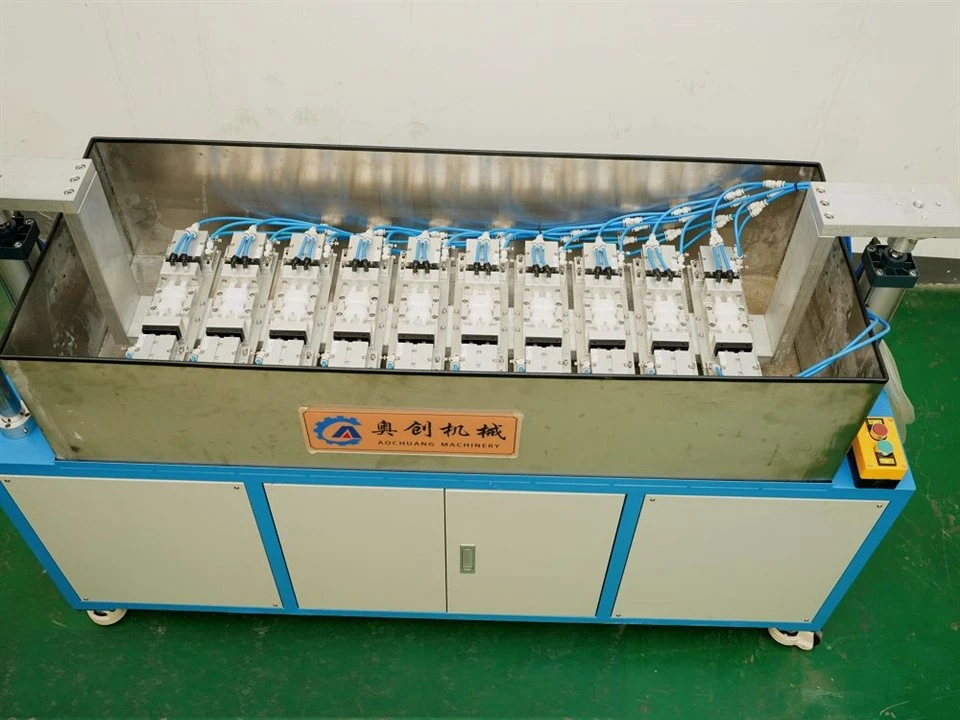
Ensure that the non standard welding molds are compatible with the welding equipment being used. Different types of welding processes, such as Ultrasonic Welding Horns and Hot Plate Welding Molds, have specific requirements for the molds. Using an incompatible mold can lead to poor welding results, equipment damage, and safety risks.
Before using a new mold, consult the manufacturer's guidelines to ensure that it is suitable for the intended welding process and equipment.
8. Emergency Preparedness
Have an emergency plan in place in case of an accident. This plan should include procedures for dealing with fires, electrical shocks, and other potential hazards. Ensure that fire extinguishers are readily available in the work area and that the operators know how to use them. First - aid kits should also be accessible, and the operators should be trained in basic first - aid procedures.
In conclusion, using non standard welding molds requires strict adherence to safety precautions. By following these guidelines, operators can minimize the risks associated with welding operations and ensure a safe and productive work environment. If you are interested in purchasing high - quality non standard welding molds, we are here to provide you with the best products and professional advice. Contact us for procurement and let's discuss how we can meet your specific needs.
References
- Welding Safety Handbook, American Welding Society
- Industrial Safety Standards for Welding Equipment, Occupational Safety and Health Administration (OSHA)


