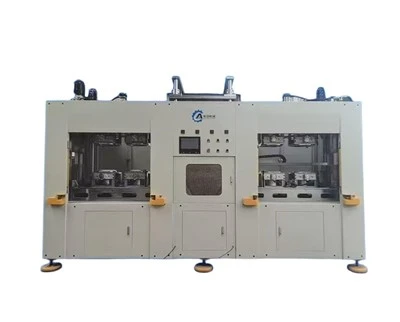
Ultrasonic spot welding is a widely used joining process in various industries, including automotive, electronics, and medical device manufacturing. As a supplier of ultrasonic spot welding machines, I understand the importance of achieving high-quality welds. In this blog post, I will share some practical tips on how to improve the welding quality of an ultrasonic spot welding machine.
Understanding the Basics of Ultrasonic Spot Welding
Before delving into the ways to improve welding quality, it's essential to understand the basic principles of ultrasonic spot welding. Ultrasonic spot welding uses high-frequency ultrasonic vibrations to generate heat at the interface of two workpieces. The heat softens the materials, allowing them to bond together under pressure. The process is fast, clean, and does not require additional adhesives or soldering materials.
Factors Affecting Welding Quality
Several factors can influence the quality of ultrasonic spot welds. These include:
- Material Properties: Different materials have different melting points, hardness, and conductivity, which can affect the welding process. For example, welding dissimilar materials may require special techniques or adjustments to the welding parameters.
- Welding Parameters: The welding parameters, such as amplitude, time, and pressure, play a crucial role in determining the quality of the weld. Incorrect parameters can result in weak welds, excessive heat generation, or damage to the workpieces.
- Tooling Design: The design of the welding horns and anvils can also impact the welding quality. The horns should be properly shaped and sized to ensure uniform energy distribution and good contact with the workpieces.
- Workpiece Preparation: Proper workpiece preparation is essential for achieving high-quality welds. The surfaces of the workpieces should be clean, free of contaminants, and properly aligned before welding.
Tips to Improve Welding Quality
Now that we understand the factors that affect welding quality, let's explore some tips to improve the performance of an ultrasonic spot welding machine.
Optimize Welding Parameters
- Amplitude: The amplitude of the ultrasonic vibrations determines the amount of energy transferred to the workpieces. Adjusting the amplitude can help control the heat generation and the strength of the weld. For most applications, it's recommended to start with a lower amplitude and gradually increase it until the desired weld quality is achieved.
- Time: The welding time is another critical parameter. Too short a time may result in incomplete bonding, while too long a time can cause overheating and damage to the workpieces. It's important to find the optimal welding time for each specific application.
- Pressure: Applying the right amount of pressure is crucial for ensuring good contact between the workpieces and the welding tools. Insufficient pressure can lead to weak welds, while excessive pressure can cause deformation or damage to the workpieces.
Choose the Right Tooling
- Horn Design: The design of the welding horn should be tailored to the specific application. Different horn shapes and sizes can be used to achieve different welding results. For example, a flat horn may be suitable for welding large surfaces, while a pointed horn may be better for welding small or intricate parts.
- Anvil Design: The anvil provides support for the workpieces during the welding process. It should be designed to ensure proper alignment and contact with the workpieces. The anvil material should also be chosen based on the properties of the workpieces and the welding requirements.
Ensure Proper Workpiece Preparation
- Cleaning: The surfaces of the workpieces should be thoroughly cleaned before welding to remove any dirt, oil, or oxide layers. This can be done using solvents, abrasives, or ultrasonic cleaning methods.
- Alignment: Proper alignment of the workpieces is essential for achieving consistent and high-quality welds. Fixtures or jigs can be used to ensure accurate positioning of the workpieces during the welding process.
Regular Maintenance and Calibration
- Machine Maintenance: Regular maintenance of the ultrasonic spot welding machine is crucial for ensuring its optimal performance. This includes cleaning the machine, checking the electrical connections, and lubricating the moving parts.
- Calibration: Periodic calibration of the welding machine is necessary to ensure that the welding parameters are accurate and consistent. This can be done using specialized calibration equipment or by following the manufacturer's instructions.
Applications of Ultrasonic Spot Welding Machines
Ultrasonic spot welding machines are used in a wide range of applications, including:
- Automotive Industry: Ultrasonic spot welding is used to join various components in the automotive industry, such as battery packs, wiring harnesses, and plastic parts.
- Electronics Industry: In the electronics industry, ultrasonic spot welding is used to assemble printed circuit boards, connect wires, and bond electronic components.
- Medical Device Manufacturing: Ultrasonic spot welding is also used in the manufacturing of medical devices, such as catheters, syringes, and surgical instruments.
Our Product Range
As a leading supplier of ultrasonic spot welding machines, we offer a wide range of products to meet the diverse needs of our customers. Our product range includes:


- Handheld Ultrasonic Welder: Our handheld ultrasonic welders are portable and easy to use, making them ideal for small-scale welding applications.
- Ultrasonic Metal Welding Machine: Our ultrasonic metal welding machines are designed for welding various metals, such as aluminum, copper, and stainless steel.
- Ultrasonic Plastic Welding Machine: Our ultrasonic plastic welding machines are suitable for welding a wide range of plastic materials, including ABS, PVC, and polycarbonate.
Conclusion
Improving the welding quality of an ultrasonic spot welding machine requires a combination of proper understanding of the welding process, optimization of the welding parameters, selection of the right tooling, and regular maintenance. By following the tips outlined in this blog post, you can achieve high-quality welds and improve the efficiency of your welding operations.
If you are interested in learning more about our ultrasonic spot welding machines or have any questions about improving welding quality, please feel free to contact us. We are committed to providing our customers with the best products and services to meet their welding needs.
References
- "Ultrasonic Welding: Principles and Applications" by John Doe
- "Advanced Welding Technologies" by Jane Smith
- "Handbook of Welding Processes" by Robert Johnson