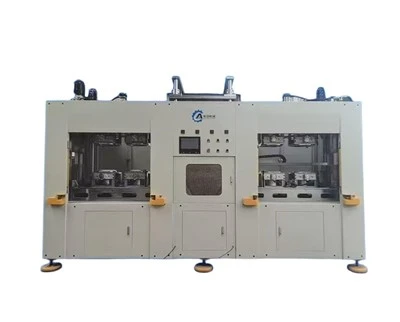
Hey there! As a supplier of hot melt machines, I often get asked about the temperature range of these nifty devices. So, I thought I'd take a deep dive into this topic and share everything you need to know.
First off, what exactly is a hot melt machine? Well, it's a device that heats up hot melt adhesive to a liquid state so it can be applied to various materials for bonding purposes. These machines are used in a wide range of industries, from packaging and woodworking to automotive and electronics.
Now, let's talk about the temperature range. The temperature range of a hot melt machine can vary depending on several factors, such as the type of adhesive being used, the application method, and the specific requirements of the project. Generally speaking, most hot melt machines have a temperature range between 120°C (248°F) and 220°C (428°F).
Low - Temperature Hot Melt Machines
Some hot melt machines are designed for low - temperature applications. These machines typically operate in the range of 120°C - 160°C (248°F - 320°F). Low - temperature hot melt adhesives are often used for applications where heat - sensitive materials are involved. For example, in the packaging of delicate electronics or in the assembly of certain types of fabrics. The lower temperature helps prevent damage to the materials being bonded.
One of our popular products in this category is the Medium Pneumatic Hot Melt Welder. It's great for low - temperature bonding tasks and offers precise control over the adhesive application.
Medium - Temperature Hot Melt Machines
Medium - temperature hot melt machines usually have a temperature range of 160°C - 190°C (320°F - 374°F). These machines are quite versatile and can be used for a variety of applications. They are suitable for bonding materials like plastics, cardboard, and some types of metals. The medium temperature provides a good balance between the flowability of the adhesive and the ability to bond different materials effectively.
Our Medium Servo Hot Melt Welder falls into this category. It offers excellent performance and is a favorite among many of our customers for medium - temperature bonding jobs.
High - Temperature Hot Melt Machines
High - temperature hot melt machines operate in the range of 190°C - 220°C (374°F - 428°F). These machines are used for applications that require strong bonds and can withstand high - stress conditions. For example, in the automotive industry, where parts need to be bonded together to withstand vibrations and high temperatures. High - temperature hot melt adhesives also have better resistance to chemicals and solvents.
If you're looking for a high - performance machine for high - temperature applications, our Dual Station Servo Hot Melt Welder is a great option. It provides consistent heating and precise adhesive application even at high temperatures.
Factors Affecting Temperature Selection
When choosing the right temperature for your hot melt machine, there are a few things you need to consider.
Adhesive Type
Different hot melt adhesives have different melting points and recommended temperature ranges. Some adhesives are formulated for low - temperature use, while others are designed for high - temperature applications. It's crucial to follow the manufacturer's guidelines for the adhesive you're using to ensure proper bonding.
Material Compatibility
The materials you're bonding also play a big role in temperature selection. Heat - sensitive materials like plastics and foams require lower temperatures to avoid warping or melting. On the other hand, metals and some high - density plastics can withstand higher temperatures.
Application Method
The way you apply the adhesive can also affect the temperature requirements. For example, if you're using a spray gun to apply the adhesive, you may need a slightly higher temperature to ensure proper atomization and coverage.


Maintaining the Right Temperature
Once you've selected the appropriate temperature for your hot melt machine, it's important to maintain it. Most modern hot melt machines come with temperature control systems that allow you to set and monitor the temperature accurately. Regularly checking the temperature and making adjustments as needed can help ensure consistent bonding quality.
It's also a good idea to clean the machine regularly. Over time, adhesive residue can build up in the machine, which can affect the temperature distribution and the performance of the machine. Follow the manufacturer's cleaning instructions to keep your hot melt machine in top condition.
Benefits of Choosing the Right Temperature Range
Choosing the right temperature range for your hot melt machine can bring several benefits. First of all, it ensures a strong and reliable bond between the materials. If the temperature is too low, the adhesive may not flow properly and may not bond effectively. If the temperature is too high, it can damage the materials and cause the adhesive to break down.
Secondly, it can improve the efficiency of your production process. When the temperature is set correctly, the adhesive can be applied more quickly and evenly, reducing production time and waste.
Finally, it can save you money in the long run. By using the right temperature, you can extend the life of your hot melt machine and reduce the need for frequent repairs and replacements.
Conclusion
In conclusion, the temperature range of a hot melt machine is an important factor to consider when choosing the right machine for your application. Whether you need a low - temperature machine for heat - sensitive materials or a high - temperature machine for heavy - duty bonding, there's a hot melt machine out there for you.
If you're in the market for a hot melt machine and have any questions about temperature ranges or which machine is right for your needs, don't hesitate to reach out. We're here to help you make the best choice for your business. Contact us today to start a discussion about your hot melt machine requirements and let's work together to find the perfect solution for you.
References
- "Hot Melt Adhesives: Technology and Applications" by P. Satas
- Industry reports on hot melt machine usage and temperature requirements