Can a Vibration Welder be used for welding in a high - humidity environment?
Hey there! As a supplier of vibration welders, I often get asked this question: Can a vibration welder be used for welding in a high - humidity environment? Well, let's dive right into it and find out.
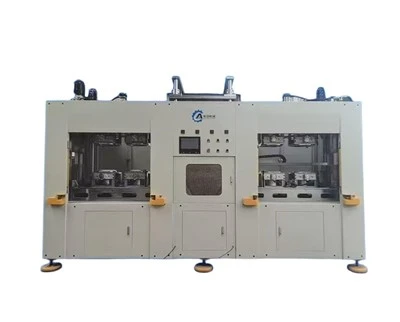
First off, let's understand what a vibration welder is. A Vibration Welder is a powerful tool used in various industries to join thermoplastic parts together. It works by creating friction through high - frequency vibrations. This friction generates heat, which melts the surfaces of the plastic parts, and when the vibrations stop, the parts cool and bond together. It's a pretty efficient and reliable method for creating strong joints in plastics.
Now, let's talk about high - humidity environments. High humidity means there's a lot of moisture in the air. This moisture can have several effects on the welding process. For starters, moisture can get on the surfaces of the plastic parts that you're trying to weld. When plastic parts have moisture on them, it can interfere with the melting process. The water can act as a barrier between the plastic surfaces, preventing them from properly bonding.
Another issue is that the moisture in the air can also affect the vibration welder itself. Electrical components in the welder can be sensitive to humidity. If the humidity is too high, it can cause corrosion on the electrical contacts, which may lead to malfunctions or even damage to the machine over time. Also, moisture can affect the accuracy of the vibration control system. The sensors and actuators that regulate the vibrations might not work as precisely in a high - humidity environment, which could result in inconsistent welds.
However, it doesn't mean that using a vibration welder in a high - humidity environment is completely out of the question. There are some things you can do to make it work.
One solution is to pre - dry the plastic parts. You can use a desiccant dryer or an oven to remove the moisture from the parts before welding. This ensures that the surfaces are dry and ready for a proper bond. By doing this, you can minimize the negative effects of the moisture on the welding process.
Another thing you can do is to take care of the vibration welder itself. Use a dehumidifier in the area where the welder is located. This will reduce the amount of moisture in the air around the machine, protecting its electrical components from corrosion. You should also regularly inspect and maintain the welder. Check for any signs of moisture damage, such as rust on the metal parts or condensation inside the control panel.
Our Hybrid Vibration Welder is designed with some features that can help in high - humidity situations. It has sealed electrical components to protect them from moisture. The control system is also more robust and less likely to be affected by minor changes in humidity. But even with these features, it's still important to follow the proper precautions.
The Vibration Welding System as a whole needs to be set up correctly. Make sure there's proper ventilation in the workspace. Good ventilation helps to keep the air moving and reduces the chances of moisture buildup around the machine and the parts.
If you're working in a high - humidity environment, you might also need to adjust the welding parameters. For example, you may need to increase the welding time or the vibration amplitude slightly. This compensates for the fact that the moisture might make it a bit harder for the plastic to reach the right melting point.
In some industries, like the automotive and medical device industries, the quality of the welds is crucial. In high - humidity environments, extra care must be taken to ensure that the welds meet the required standards. You might need to perform more frequent quality control checks on the welded parts. Use techniques like ultrasonic testing or visual inspection to make sure the joints are strong and free of defects.
![Hybrid_vibration_welder_(3)[1]](/uploads/45409/page/vibration-welding-system29356.jpg)

So, to sum it up, while using a vibration welder in a high - humidity environment presents some challenges, it's definitely possible with the right precautions. Pre - drying the parts, using a dehumidifier, maintaining the machine, and adjusting the welding parameters can all help you achieve good results.
If you're in an industry that requires welding in high - humidity conditions and you're looking for a reliable vibration welder, we've got you covered. Our range of vibration welders is designed to be durable and efficient, even in less - than - ideal environments. Whether you need a simple Vibration Welder or a more advanced Hybrid Vibration Welder, we can provide the right solution for your needs.
If you're interested in learning more about our products or have any questions about using a vibration welder in a high - humidity environment, don't hesitate to reach out. We're here to help you make the most of your welding operations and ensure that you get high - quality results. Contact us to start a discussion about your specific requirements and let's see how we can work together to meet them.
References
- Plastics Welding Handbook, various industry - specific research on the effects of humidity on plastic welding processes.
- Manufacturer's guidelines for vibration welders regarding environmental conditions and maintenance in high - humidity areas.