Hey there! As a supplier of Vibration Plastic Welders, I often get asked about how long it takes to weld plastics using these machines. It's a great question, and the answer isn't as straightforward as you might think. So, let's dive in and explore the factors that influence the welding time and what you can expect.
First off, what exactly is a Vibration Plastic Welder? Well, it's a specialized piece of equipment that uses vibration to generate heat at the joint between two plastic parts. This heat softens the plastic, allowing the parts to fuse together when pressure is applied. It's a popular method for joining plastics because it's fast, reliable, and can produce strong, hermetic seals.
Now, onto the main question: how long does it take to weld plastics using a Vibration Plastic Welder? The short answer is that it depends on several factors, including the type of plastic, the size and shape of the parts, the welding parameters, and the specific machine being used.
Type of Plastic
Different plastics have different melting points and flow characteristics, which can significantly affect the welding time. For example, high-density polyethylene (HDPE) has a relatively low melting point and flows easily, so it can be welded relatively quickly. On the other hand, polycarbonate (PC) has a higher melting point and is more viscous, which means it may take longer to weld.
Size and Shape of the Parts
The size and shape of the parts being welded also play a crucial role in determining the welding time. Larger parts generally require more time to heat up and fuse together, as there is more material to be melted. Similarly, parts with complex shapes or intricate geometries may take longer to weld, as the vibration needs to be evenly distributed across the entire joint.
Welding Parameters
The welding parameters, such as the vibration frequency, amplitude, and welding pressure, can also have a significant impact on the welding time. Higher vibration frequencies and amplitudes generally result in faster welding times, as they generate more heat at the joint. However, it's important to find the right balance, as excessive vibration can cause the plastic to overheat and degrade.
Specific Machine Being Used
Finally, the specific Vibration Plastic Welder being used can also affect the welding time. Different machines have different capabilities and performance characteristics, so it's important to choose a machine that is suitable for your specific application. For example, some machines are designed for high-speed production, while others are better suited for more complex or precision welding tasks.

![Hybrid_vibration_welder_(3)[1]](/uploads/45409/page/vibration-welding-system29356.jpg)
So, with all these factors in mind, what can you expect in terms of welding time? Well, in general, welding times can range from a few seconds to several minutes, depending on the specific application. For small, simple parts made from easily weldable plastics, welding times of 1-2 seconds are not uncommon. On the other hand, larger, more complex parts made from more difficult-to-weld plastics may take 10-15 minutes or more to weld.
It's also worth noting that the welding time is just one factor to consider when choosing a Vibration Plastic Welder. Other factors, such as the quality of the weld, the repeatability of the process, and the cost of the machine, are also important considerations.
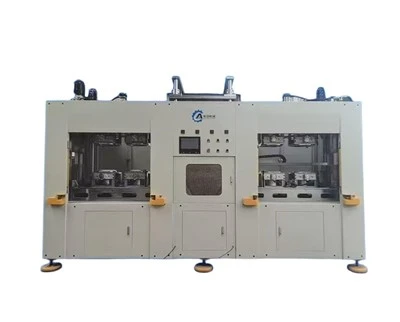
If you're in the market for a Vibration Plastic Welder, I encourage you to consider our Hybrid Vibration Welder and Vibration Welding System. These machines are designed to provide fast, reliable, and high-quality welding results, and they offer a range of features and options to meet your specific needs.
In conclusion, the time it takes to weld plastics using a Vibration Plastic Welder depends on several factors, including the type of plastic, the size and shape of the parts, the welding parameters, and the specific machine being used. By understanding these factors and choosing the right machine for your application, you can ensure that you achieve the best possible welding results in the shortest amount of time.
If you have any questions or would like to learn more about our Vibration Plastic Welders, please don't hesitate to contact us. We'd be happy to help you find the right solution for your needs.
References
- Plastics Welding Handbook, edited by John W. Martin
- Industrial Plastics Handbook: Properties, Processes, and Applications, by Charles A. Harper