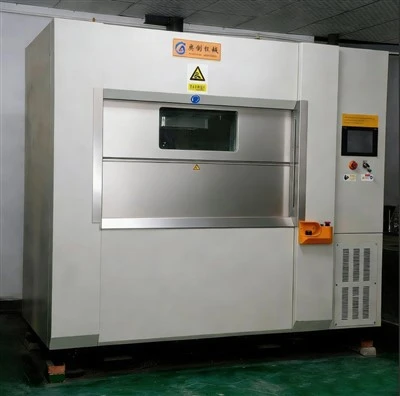
As a hot plate welding supplier, I've seen firsthand how the welding atmosphere can have a huge impact on the hot plate welding process. In this blog, I'll break down the effects of different welding atmospheres on hot plate welding and why it's so important to get it right.
Understanding Hot Plate Welding
Before we dive into the effects of the welding atmosphere, let's quickly go over what hot plate welding is. Hot plate welding is a popular method used to join two plastic parts together. It works by heating a hot plate to a specific temperature and then pressing the plastic parts against the heated plate. The plastic melts on the surface, and when the parts are pressed together, they form a strong, permanent bond.
We offer a range of Hot Plate Plastic Welding Machine designed to meet different production needs. These machines are known for their reliability and precision, making them a top choice for many manufacturers.
The Role of Welding Atmosphere in Hot Plate Welding
The welding atmosphere refers to the gas or mixture of gases that surround the welding area during the hot plate welding process. It can have a significant impact on the quality, strength, and appearance of the weld. Here are some of the key ways the welding atmosphere affects hot plate welding:
Oxidation and Degradation
One of the main concerns when welding plastics is oxidation. When plastics are heated, they can react with oxygen in the air, leading to oxidation and degradation. This can weaken the weld and cause discoloration, reducing the overall quality of the finished product.
In an open-air environment, the oxygen content is high, increasing the risk of oxidation. By using an inert gas atmosphere, such as nitrogen or argon, we can reduce the oxygen levels around the welding area and prevent oxidation. This results in a stronger, more durable weld with a better appearance.
Moisture Absorption
Moisture can also be a problem in hot plate welding. Some plastics are hygroscopic, meaning they absorb moisture from the air. When these plastics are heated during the welding process, the moisture can turn into steam, causing bubbles and voids in the weld. This can weaken the bond and make the weld less reliable.
Creating a dry welding atmosphere can help prevent moisture absorption. This can be achieved by using a gas with low moisture content or by drying the plastics before welding. Our Hot Plate Welding Equipment is designed to work in a controlled environment, allowing for better moisture management.
Gas Flow and Heat Transfer
The flow of the welding atmosphere can also affect the heat transfer during the hot plate welding process. A proper gas flow helps to distribute the heat evenly across the plastic parts, ensuring consistent melting and a better-quality weld.
If the gas flow is too weak, the heat may not be distributed evenly, leading to uneven melting and a weaker bond. On the other hand, if the gas flow is too strong, it can blow away the molten plastic, causing defects in the weld.
We've designed our Infrared Hot Plate Welding Machine to optimize gas flow and heat transfer. This ensures that the plastic parts are heated evenly, resulting in a strong and reliable weld every time.


Choosing the Right Welding Atmosphere
Selecting the appropriate welding atmosphere depends on several factors, including the type of plastic being welded, the desired strength and appearance of the weld, and the production environment. Here are some common welding atmospheres used in hot plate welding:
Air
Air is the simplest and most readily available welding atmosphere. It's free and easy to use, but it also has some drawbacks. As mentioned earlier, the oxygen in the air can cause oxidation and degradation of the plastic, and the moisture can lead to voids in the weld. However, for some less critical applications and inexpensive plastics, air may be a suitable choice.
Nitrogen
Nitrogen is an inert gas that is widely used in hot plate welding. It helps to prevent oxidation and degradation by displacing the oxygen in the welding area. Nitrogen also has a low moisture content, reducing the risk of moisture-related defects. It's a great choice for welding a variety of plastics, especially those that are sensitive to oxidation.
Argon
Argon is another inert gas that is often used in hot plate welding. It has similar properties to nitrogen but is heavier, which can provide better coverage and protection of the welding area. Argon is particularly useful for welding high-performance plastics that require a high level of purity and quality in the weld.
Impact on Production Efficiency
The welding atmosphere can also have an impact on production efficiency. A controlled and optimized welding atmosphere can reduce the number of defective welds, minimizing the need for rework and increasing the overall throughput of the production line.
For example, using an inert gas atmosphere can prevent oxidation and other defects, allowing for faster welding speeds without sacrificing quality. This can lead to significant cost savings in the long run, as less time and resources are spent on fixing faulty welds.
Conclusion
As a hot plate welding supplier, I know how crucial it is to understand the effects of the welding atmosphere on the hot plate welding process. The right welding atmosphere can make a big difference in the quality, strength, and appearance of the weld, as well as the overall production efficiency.
Whether you're looking for a Hot Plate Plastic Welding Machine, Hot Plate Welding Equipment, or an Infrared Hot Plate Welding Machine, we've got you covered. We're here to help you choose the best equipment and welding atmosphere for your specific needs.
If you're interested in learning more about our products or have any questions about hot plate welding, don't hesitate to reach out. We're always happy to have a chat and discuss how we can help you improve your welding process. Contact us today to start a conversation about your procurement needs.
References
- Plastics Welding Handbook, Edited by George E. Totten
- Engineering Plastics Handbook by Peter E. Hodgson