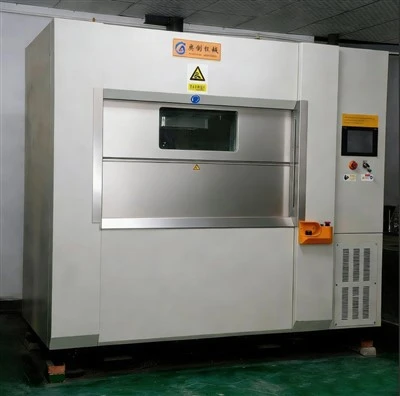
As a supplier of Vibration Welding Systems, I often get asked about the environmental impacts associated with these machines. It's a valid concern, especially in today's world where environmental sustainability is a top priority for many businesses and consumers. In this blog post, I'll dive into the various aspects of vibration welding and its environmental footprint.
Energy Consumption
One of the primary environmental considerations when it comes to vibration welding systems is energy consumption. These machines typically use electricity to power the vibration mechanism and other components. The amount of energy used can vary depending on the size and type of the welding system.
For instance, larger industrial - scale vibration welders may consume more energy compared to smaller, benchtop models. However, modern vibration welding systems are designed with energy - efficiency in mind. Many manufacturers, including us, have incorporated advanced technologies to reduce power consumption without sacrificing performance.
Some systems use variable frequency drives (VFDs) that adjust the motor speed according to the welding requirements. This means that the machine only uses as much energy as necessary, resulting in significant energy savings over time. When considering the environmental impact, lower energy consumption translates to a reduced carbon footprint, as less electricity is being drawn from the grid, which often relies on fossil fuels.
Material Waste
Another aspect to consider is material waste. In vibration welding, the process involves fusing two plastic parts together. During this process, there can be some material loss in the form of flash or excess plastic that is trimmed off after welding.
However, the amount of waste generated is relatively small compared to other manufacturing processes. Moreover, many of the plastics used in vibration welding are recyclable. If the waste plastic is properly collected and recycled, it can be reused in the production of new plastic products, reducing the overall environmental impact.
We also encourage our customers to optimize their part designs to minimize waste. By carefully designing the parts to fit together precisely, less material is wasted during the welding process. This not only benefits the environment but also reduces production costs for our customers.
Air Quality
Vibration welding can generate some fumes, especially when welding certain types of plastics. These fumes can contain volatile organic compounds (VOCs) and other potentially harmful substances. However, modern vibration welding systems are equipped with ventilation systems to capture and filter these fumes.


The ventilation systems are designed to remove the fumes from the work area and prevent them from being released into the environment. Additionally, some systems use activated carbon filters to further purify the air, reducing the emission of harmful pollutants.
It's important for operators to follow proper safety procedures and ensure that the ventilation systems are working effectively. By doing so, the impact on air quality can be minimized, protecting both the environment and the health of the workers.
Noise Pollution
Vibration welding machines can produce a significant amount of noise during operation. This can be a concern for both the workers in the vicinity and the surrounding environment. High - noise levels can cause hearing damage to workers and can also be a nuisance to nearby residents if the welding facility is located in a populated area.
To address this issue, we offer vibration welding systems with noise - reducing features. For example, some machines are designed with sound - insulating enclosures that help to contain the noise. Additionally, we recommend that operators wear appropriate hearing protection to minimize the risk of hearing damage.
Product Lifecycle
When evaluating the environmental impact of a vibration welding system, it's important to consider the entire product lifecycle. This includes the manufacturing process, use, and disposal of the machine.
During the manufacturing process, efforts are made to use sustainable materials and manufacturing techniques. For example, we use recycled materials in some of our machine components whenever possible. This reduces the demand for virgin materials and minimizes the environmental impact of production.
In terms of use, as mentioned earlier, modern vibration welding systems are designed to be energy - efficient, reducing the overall energy consumption during their lifespan. When it comes to disposal, we encourage our customers to recycle or properly dispose of the machine components at the end of their useful life.
Comparing Different Types of Vibration Welders
There are different types of vibration welders available in the market, each with its own environmental characteristics.
The Hybrid Vibration Welder combines different welding technologies, which can offer some unique advantages in terms of energy efficiency and welding quality. This type of welder may be more suitable for applications where precision and energy savings are crucial.
The Vibration Plastic Welder is specifically designed for welding plastic parts. It is often used in industries such as automotive, consumer goods, and medical devices. These welders are designed to be efficient and produce high - quality welds with minimal waste.
The Vibration Welder is a more general - purpose machine that can be used for a variety of welding applications. It offers flexibility and can be customized to meet the specific needs of different customers.
Conclusion
In conclusion, while there are some environmental impacts associated with vibration welding systems, modern technologies and design features have significantly reduced these impacts. Energy - efficient designs, waste reduction strategies, and proper ventilation systems all contribute to a more sustainable manufacturing process.
As a supplier, we are committed to providing our customers with vibration welding systems that are not only high - performing but also environmentally friendly. We believe that by working together, we can minimize the environmental footprint of vibration welding and contribute to a more sustainable future.
If you're interested in learning more about our vibration welding systems or have any questions about their environmental impact, feel free to reach out to us. We'd be more than happy to discuss your specific needs and how our products can help you achieve your sustainability goals. Let's start a conversation about how we can work together to make your manufacturing processes more environmentally friendly.
References
- "Environmental Impact of Manufacturing Processes" - Journal of Sustainable Manufacturing
- "Energy - Efficient Design in Industrial Machinery" - Industrial Engineering Magazine
- "Plastic Recycling and Waste Management" - Environmental Science and Technology Journal