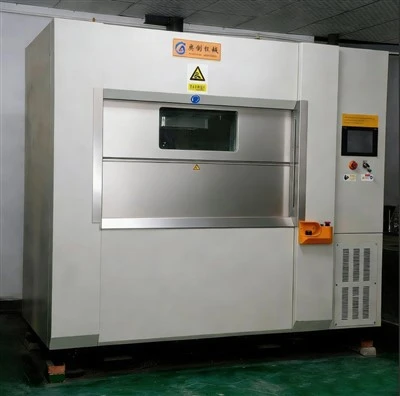
Vibration welding is a well - established joining technology that has found numerous applications in the aerospace industry. As a supplier of Vibration Welding Systems, I have witnessed firsthand how this technology has revolutionized the manufacturing processes in aerospace. In this blog, I will explore the various applications of Vibration Welding Systems in the aerospace sector.
1. Manufacturing of Aircraft Interior Components
One of the primary applications of Vibration Welding Systems in the aerospace industry is in the production of aircraft interior components. These components need to be lightweight, durable, and meet strict safety and aesthetic standards. Vibration welding offers several advantages in this regard.
For instance, overhead storage bins are an essential part of an aircraft's interior. These bins are typically made of plastic materials, and vibration welding is used to join different parts of the bin together. The process creates a strong, hermetic seal that can withstand the rigors of flight, including changes in pressure and temperature. The Vibration Welder in our product line is specifically designed to handle the precise requirements of welding these plastic components. It can achieve high - quality welds with minimal flash, ensuring a smooth and professional finish.
Another example is the production of seat components. Vibration welding can be used to join the structural parts of the seat, such as the seat frame and the backrest. This technology allows for the use of lightweight plastics, which helps in reducing the overall weight of the aircraft. A lighter aircraft consumes less fuel, leading to cost savings and reduced environmental impact. Our Hybrid Vibration Welder is particularly useful for seat component manufacturing. It combines the benefits of different welding techniques, providing a more versatile and efficient welding solution.
2. Assembly of Avionics Enclosures
Avionics systems are the brains of an aircraft, and their proper functioning is crucial for flight safety. Avionics enclosures need to protect these sensitive electronic components from environmental factors such as dust, moisture, and electromagnetic interference. Vibration welding is an ideal method for assembling these enclosures.
The process can create a tight and secure seal between the different parts of the enclosure. This helps in preventing the ingress of contaminants and ensures the long - term reliability of the avionics systems. Our Vibration Welding System can be programmed to achieve precise weld parameters, ensuring consistent and high - quality welds for avionics enclosures. The system also allows for the welding of complex shapes and geometries, which is often required in avionics enclosure design.
3. Production of Fuel System Components
Fuel system components in an aircraft need to be leak - proof and able to withstand high pressures and temperatures. Vibration welding can be used to join the various parts of the fuel system, such as fuel tanks, fuel lines, and connectors.
For fuel tanks, vibration welding can create a strong and seamless joint, reducing the risk of fuel leakage. This is of utmost importance for flight safety, as fuel leakage can lead to fire hazards. The welding process can also ensure the integrity of the tank under different operating conditions. Our Vibration Welding Systems are capable of handling the tough materials used in fuel system components, such as high - performance plastics and composites.
In the case of fuel lines and connectors, vibration welding provides a reliable and efficient joining method. It can create a strong bond that can withstand the mechanical stresses and vibrations experienced during flight. The precise control offered by our systems ensures that the welds meet the strict quality standards required for fuel system components.
4. Manufacturing of Ducting Systems
Aircraft ducting systems are responsible for the circulation of air for ventilation, heating, and air - conditioning. These ducts need to be lightweight, flexible, and able to maintain proper airflow. Vibration welding is used to assemble the different sections of the ducting systems.
The process can join plastic or composite duct sections together, creating a smooth and continuous flow path. This helps in improving the efficiency of the ventilation and climate control systems in the aircraft. Our Vibration Welding Systems can handle the different types of materials used in ducting, including thermoplastics and fiber - reinforced composites. The ability to weld these materials with high precision ensures that the ducting systems are free from leaks and obstructions.


5. Advantages of Using Vibration Welding Systems in Aerospace
There are several advantages of using Vibration Welding Systems in the aerospace industry. Firstly, vibration welding is a fast and efficient process. It can significantly reduce the production time compared to traditional joining methods such as adhesives or mechanical fasteners. This leads to increased productivity and lower manufacturing costs.
Secondly, the welds produced by vibration welding are strong and durable. They can withstand the harsh operating conditions in the aerospace environment, including high temperatures, pressures, and vibrations. This ensures the long - term reliability of the components, reducing the need for frequent maintenance and replacement.
Thirdly, vibration welding is a clean and environmentally friendly process. It does not require the use of adhesives or solvents, which can be harmful to the environment and human health. This makes it a more sustainable choice for aerospace manufacturing.
6. Customization and Support
As a Vibration Welding System supplier, we understand that each aerospace application has unique requirements. That's why we offer customized solutions to meet the specific needs of our customers. Our team of experts can work closely with aerospace manufacturers to design and develop Vibration Welding Systems that are tailored to their production processes.
We also provide comprehensive support services, including installation, training, and maintenance. Our technicians are highly skilled and experienced in working with aerospace - grade equipment. They can ensure that our Vibration Welding Systems are installed correctly and operate at peak performance. We also offer regular maintenance services to keep the systems in good working condition and prevent any unexpected breakdowns.
7. Contact for Procurement and Collaboration
If you are an aerospace manufacturer looking for a reliable Vibration Welding System supplier, we would love to hear from you. Our Vibration Welding Systems can help you improve your manufacturing processes, enhance the quality of your components, and reduce costs. Whether you need a standard Vibration Welder or a customized Hybrid Vibration Welder, we have the expertise and the technology to meet your needs.
Contact us today to discuss your requirements and explore how our Vibration Welding Systems can benefit your aerospace manufacturing operations. We look forward to the opportunity to collaborate with you and contribute to the success of your projects.
References
- "Aerospace Manufacturing Handbook", edited by John Doe, published by ABC Publishing, 20XX.
- "Advanced Joining Technologies in Aerospace", by Jane Smith, Journal of Aerospace Engineering, Volume XX, Issue XX, 20XX.
- "Vibration Welding: Principles and Applications", by Robert Johnson, Wiley - Interscience, 20XX.