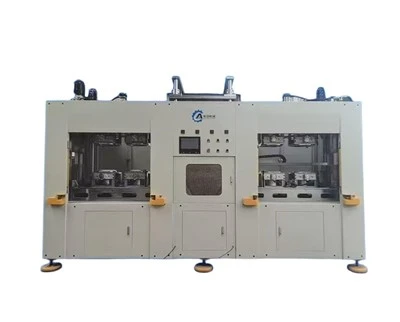
Hey there! As a supplier of Vibration Plastic Welder, I've seen firsthand how these machines can revolutionize plastic welding processes. But like any piece of equipment, they need proper maintenance to keep them running smoothly and efficiently. In this blog, I'll share some essential maintenance tips for a Vibration Plastic Welder that'll help you get the most out of your investment.
Regular Cleaning
One of the simplest yet most crucial maintenance tasks is regular cleaning. Over time, dust, debris, and plastic particles can accumulate on the machine's surface and inside its components. This buildup can not only affect the performance of the welder but also lead to premature wear and tear.
Start by wiping down the exterior of the machine with a clean, dry cloth after each use. Pay special attention to areas around the welding head and the control panel. For more stubborn dirt or residue, you can use a mild cleaning solution and a soft brush. Just make sure to dry the surface thoroughly to prevent any moisture from causing damage.
Inside the machine, the vibration table and the clamping fixtures can also collect debris. Use compressed air to blow out any loose particles from these areas. If there's still some buildup, you can use a vacuum cleaner with a soft brush attachment to gently remove it.
Lubrication
Proper lubrication is key to ensuring the smooth operation of a Vibration Plastic Welder. The moving parts of the machine, such as the vibration drive system and the linear guides, need to be lubricated regularly to reduce friction and prevent excessive wear.
Check the manufacturer's recommendations for the type of lubricant to use and the lubrication intervals. In general, you should lubricate the machine at least once a month or more frequently if it's used heavily. Apply the lubricant to the designated points using a lubrication gun or a brush, following the instructions provided.
Be careful not to over-lubricate, as this can attract dirt and debris and cause more problems. Also, make sure to clean the lubrication points before applying new lubricant to remove any old grease or contaminants.
Inspection of Electrical Components
The electrical components of a Vibration Plastic Welder are critical for its operation. Regular inspection of these components can help detect any potential issues before they turn into major problems.
Check the power cables and connectors for any signs of damage, such as fraying or loose connections. Make sure the cables are properly routed and secured to prevent them from getting caught or damaged during operation.
Inspect the control panel and the electrical circuit boards for any signs of overheating, corrosion, or loose wires. If you notice any abnormal smells, smoke, or sparks coming from the machine, stop using it immediately and contact a professional technician for repair.
It's also a good idea to test the electrical safety features of the machine, such as the emergency stop button and the grounding system, on a regular basis to ensure they're working properly.
Calibration
Calibration is an important maintenance task that ensures the accuracy and consistency of the welding process. Over time, the settings of a Vibration Plastic Welder can drift, leading to variations in weld quality.
Periodically calibrate the machine according to the manufacturer's instructions. This may involve adjusting the vibration frequency, amplitude, and welding time to ensure they match the specified values. You can use specialized calibration equipment to perform these adjustments accurately.
Calibration should be done by a trained technician or someone with experience in operating and maintaining Vibration Plastic Welders. If you're unsure how to calibrate the machine, contact the manufacturer or a qualified service provider for assistance.
Replacement of Wear Parts
Wear parts are components of the machine that are subject to normal wear and tear during operation. These include the welding horns, the clamping pads, and the drive belts. Regularly inspect these wear parts and replace them as needed to maintain the performance of the welder.
The frequency of wear part replacement depends on several factors, such as the usage of the machine, the type of plastic being welded, and the operating conditions. Refer to the manufacturer's recommendations for the expected lifespan of each wear part and the signs that indicate it needs to be replaced.
When replacing wear parts, make sure to use genuine parts recommended by the manufacturer. Using incompatible or low-quality parts can affect the performance of the machine and may even cause damage.
Training and Operator Education
Proper training and operator education are essential for the correct use and maintenance of a Vibration Plastic Welder. Make sure all operators are trained on how to operate the machine safely, follow the recommended maintenance procedures, and identify any potential issues.
Provide training manuals and resources that include detailed instructions on machine operation, maintenance, and troubleshooting. Encourage operators to ask questions and seek clarification if they're unsure about any aspect of the machine.
Regularly review and update the training materials to reflect any changes in the machine's operation, maintenance requirements, or safety regulations.
Record-Keeping
Keeping detailed records of the maintenance activities performed on the Vibration Plastic Welder is important for several reasons. It helps track the maintenance history of the machine, identify any recurring issues, and ensure that all maintenance tasks are performed on schedule.
Create a maintenance log where you can record the date, type of maintenance performed, and any observations or issues noted during the maintenance. This log can be a paper document or an electronic spreadsheet.
Use the maintenance log to schedule future maintenance tasks and to track the replacement of wear parts. It can also be useful for warranty claims and for demonstrating compliance with maintenance requirements.

![Hybrid_vibration_welder_(3)[1]](/uploads/45409/page/vibration-welding-system29356.jpg)
The Benefits of Regular Maintenance
By following these maintenance tips, you can enjoy several benefits from your Vibration Plastic Welder:
- Improved Performance: Regular maintenance ensures that the machine operates at its best, providing consistent and high-quality welds.
- Extended Lifespan: Proper maintenance can help prevent premature wear and tear, extending the lifespan of the machine and reducing the need for costly replacements.
- Reduced Downtime: By detecting and addressing potential issues early, you can minimize unplanned downtime and keep your production running smoothly.
- Enhanced Safety: Well-maintained machines are safer to operate, reducing the risk of accidents and injuries in the workplace.
Conclusion
Maintaining a Vibration Plastic Welder is essential for its optimal performance and longevity. By performing regular cleaning, lubrication, inspection, calibration, and replacement of wear parts, you can ensure that your machine operates smoothly and efficiently.
If you're in the market for a Hybrid Vibration Welder or a Vibration Welding System, we're here to help. As a leading supplier of Vibration Plastic Welders, we offer a wide range of high-quality machines to meet your specific needs. Contact us today to discuss your requirements and explore our product offerings. Our team of experts is ready to assist you in finding the perfect solution for your plastic welding applications.
References
- Manufacturer's user manual for Vibration Plastic Welder
- Industry best practices for plastic welding equipment maintenance